1.9 Million Lincoln Wheat Penny: A handful of spare change is more than just metal; it’s a handful of stories waiting to be told. For countless individuals, the search through everyday coins becomes a personal connection to history, with the Lincoln Wheat Cent standing as one of America’s most accessible and cherished pieces of numismatic history. This humble coin transforms ordinary moments into quiet adventures, linking generations through a shared artifact of daily life.
A Design That Honored a Nation’s Identity
The Lincoln Cent made its debut in 1909, marking the 100th anniversary of President Abraham Lincoln’s birth. Its release was a significant moment in American coinage, representing a shift toward honoring real historical figures. Sculptor Victor David Brenner crafted a dignified and thoughtful portrait of Lincoln for the obverse, a design that has remained for over a century. The reverse, featuring two wheat stalks framing the words “ONE CENT,” was a tribute to the nation’s agricultural heartland and its spirit of prosperity. For nearly fifty years, this design was a constant presence, passing through the hands of Americans during times of tremendous change, from the roaring twenties to the post-war boom.
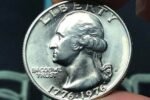
Lincoln Wheat Cent (1909-1958) Overview
| Feature | Details |
|---|---|
| Years of Mintage | 1909 to 1958 |
| Designer | Victor David Brenner |
| Standard Composition | 95% Copper, 5% Tin/Zinc (1909-1942, 1944-1958) |
| Notable Variation | 1943: Zinc-coated steel (wartime conservation). |
| Weight | 3.11 grams |
| Diameter | 19 mm |
| Obverse (Heads) | Portrait of Abraham Lincoln with “IN GOD WE TRUST,” “LIBERTY,” and the year. |
| Reverse (Tails) | Two wheat stalks flanking “ONE CENT” and “UNITED STATES OF AMERICA.” |
| Notable Key Dates | 1909-S VDB, 1914-D, 1922 Plain (No D), 1931-S, 1955 Doubled Die Obverse. |
| Appeal to Collectors | Historical significance, approachable entry point, the challenge of completing a date set, and the intrigue of error varieties. |
The Personal Journey of Discovery
What begins as a casual glance can evolve into a meaningful pursuit. The fascination with Lincoln Wheat Cents is deeply human, rooted in the possibility of discovery. While millions were produced, the passage of time, historical events like wartime metal drives, and simple happenstance have made certain issues scarce. This creates a deeply personal quest—the hope of finding a coin that carries a unique story or rarity. The concept of a singularly valuable penny speaks to this universal appeal: the idea that patience and attention to detail can reveal extraordinary history in the most ordinary of places. The pursuit is as much about the quiet focus of the search as it is about the find itself.
Cultivating Connection and Perspective
Engaging with these coins offers lessons that transcend collecting. It encourages mindfulness, training the eye to appreciate subtle details in mint marks, luster, and condition. It fosters a tangible link to the past; holding a 1920s cent is to hold an object a flapper might have carried, or a 1940s cent is to touch a piece saved from a soldier’s pay. This hobby provides perspective, reminding us that history is woven into the fabric of everyday life. The true reward often lies not in a price guide, but in the personal connection forged with a physical piece of shared human experience, and the serene satisfaction of the hunt.

Frequently Asked Questions
What should I do first if I find a Wheat Cent?
Begin by carefully examining the date and looking for a mint mark on the reverse, near the bottom. A small “D” (Denver) or “S” (San Francisco) indicates it was minted there; no mint mark signifies Philadelphia. This is the first step in identifying its potential rarity.
Are all Wheat Cents made of copper?
Most are, but there is a famous exception. In 1943, to conserve copper for World War II, the Mint produced cents from zinc-coated steel, giving them a distinctive silvery appearance. These are magnetic. Ironically, a tiny number of copper 1943 cents were struck in error and are incredibly valuable.

How can I start looking for these coins respectfully and effectively?
Many collectors start by examining old family coin jars or asking relatives. A respectful and popular method is “coin roll hunting,” where you obtain rolls of cents from a bank to search through. Always be courteous when re-depositing coins. Reputable local coin shops and established online dealers are also excellent resources.
What is the most important rule for handling a coin I think might be valuable?
The cardinal rule is to handle it as little as possible, and only by the edges. Skin oils can affect the surface over time. Never clean or polish a coin, as this permanently alters its surface and drastically reduces its value to collectors. The coin’s condition, or “grade,” is paramount.

Is completing a full set of Wheat Cents possible?
While assembling a complete collection from circulation alone is exceedingly difficult due to key rarities, it is a celebrated goal within the hobby. Many collectors aim to complete a “date set” (one coin from each year) or a “date and mint mark set,” often filling in the rarest dates through reputable purchases, making it a lifelong and fulfilling pursuit.